- Get link
- X
- Other Apps
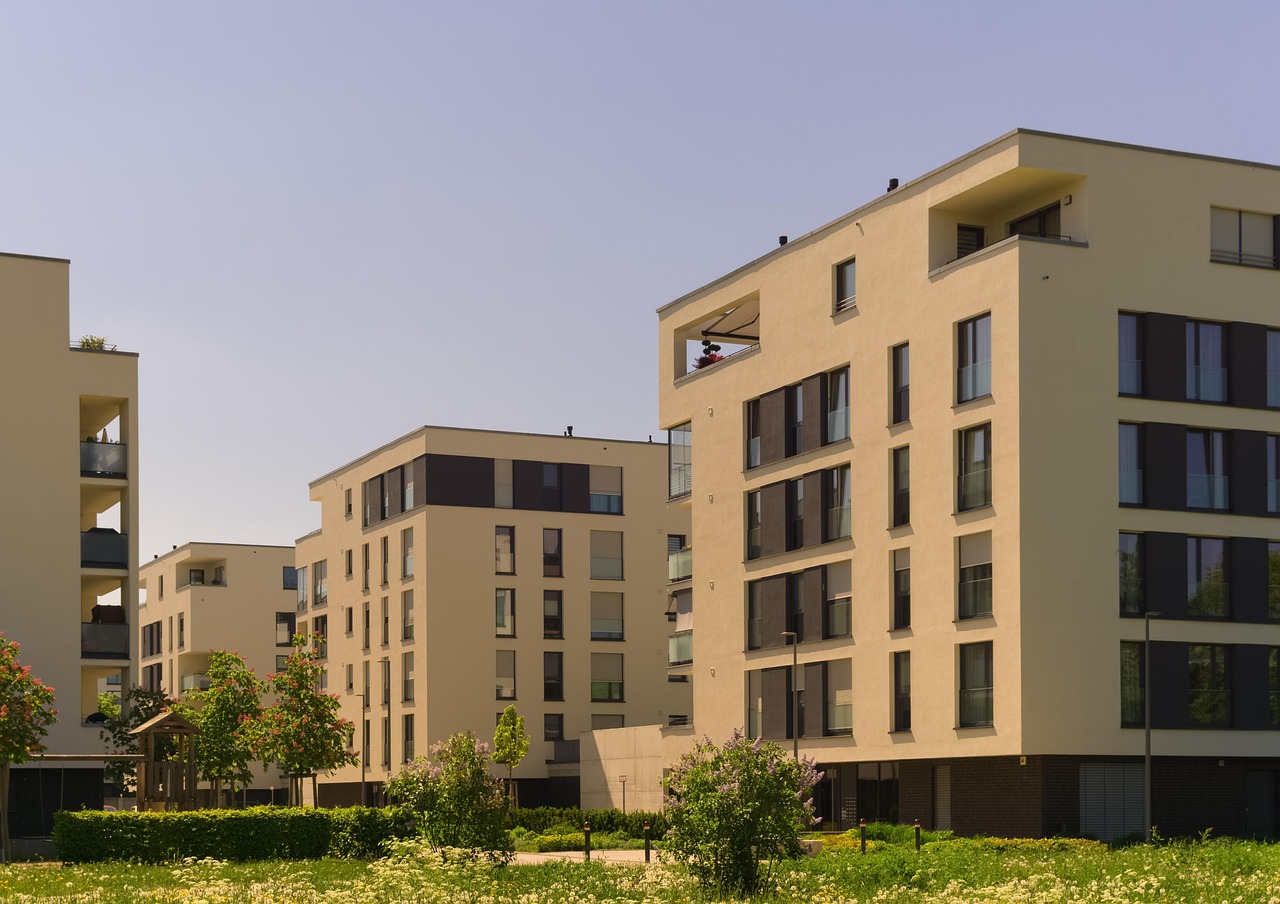
Finding an apartment in Germany as an expat is one of the most stressful parts of relocating. The rental market is tight, the competition is fierce, and the paperwork requirements can feel overwhelming — especially if you are coming from a country where renting is a much simpler process. But it is absolutely possible. Thousands of expats find housing in Germany every year. This guide will give you a realistic, honest picture of how the system works, what you need to prepare, and how to give yourself the best possible chance of getting the keys to your new home.
🏙️ Why the German Rental Market Is So Competitive
Germany has been dealing with a housing shortage for over a decade. Cities like Berlin, Munich, Hamburg, Frankfurt, Stuttgart, and Cologne are under enormous pressure. In some neighbourhoods, a single listing can attract hundreds of applications within hours of being posted online. The supply simply does not keep up with demand.
As an expat, you face some extra challenges that locals do not have:
- No German credit history — Landlords in Germany rely heavily on the Schufa report, which is a credit check that shows your financial reliability. If you are new to the country, you may not have one yet.
- Language barrier — Many landlords communicate only in German and prefer tenants who can respond in the language.
- No local references — German landlords often ask for a reference letter from your previous landlord, which is difficult to provide if you lived abroad.
- Inability to view in person quickly — If you are still in your home country, you cannot attend viewings on short notice, which puts you at a serious disadvantage.
💡 Expat Tip
None of these obstacles are insurmountable. But you need to understand them before you start searching, so you can prepare a strategy that actually works.
🏠 Understanding the Types of Housing Available
Before you begin searching, it helps to know what kind of housing exists and what is most realistic for your situation as a newcomer.
Private apartment (Wohnung) — This is a flat you rent entirely to yourself, directly from a landlord or through a property management company. It is the most common long-term option, but also the most competitive to obtain. You will need the full documentation package (see below) and usually at least one month's salary that meets the landlord's income requirements.
Shared flat (WG – Wohngemeinschaft) — A WG is a flat shared between multiple people, where you rent a single room and share common areas. WGs are extremely popular among students, young professionals, and newcomers to Germany. They are easier to get into, often cheaper per person, and a fantastic way to meet people and build a local network when you first arrive.
Furnished short-term rental (möblierte Wohnung) — These are furnished apartments available for short-term stays, typically one to six months. They are more expensive than unfurnished long-term rentals, but they can be a valuable bridge while you search for a permanent flat. Services like Wunderflats, Mr. Lodge, and Home Company specialise in these.
Serviced apartments and corporate housing — If you are relocating with an employer, ask whether they offer temporary accommodation or a relocation allowance. Many large companies in Germany have arrangements with serviced apartment providers for arriving employees.
💡 Practical Strategy
If you are arriving from abroad, the most realistic approach is to book a furnished short-term rental or WG first, arrive in Germany, and then search for a long-term flat from within the country. Trying to secure a long-term unfurnished apartment from abroad, without ever having visited, is very difficult.
📋 Where to Search for Apartments
Germany has a handful of dominant platforms where the vast majority of rental listings are posted. You need to be on all of them simultaneously, with alerts set up so you are notified the moment a matching listing appears.
- ImmobilienScout24 (immobilienscout24.de) — The largest and most widely used platform in Germany. Most listings appear here first.
- Immowelt (immowelt.de) — The second largest platform, with significant overlap with ImmobilienScout24 but also unique listings.
- eBay Kleinanzeigen / Kleinanzeigen (kleinanzeigen.de) — A classifieds platform with a surprisingly large number of private landlord listings. Often less competitive because applicants overlook it.
- WG-Gesucht (wg-gesucht.de) — The leading platform specifically for shared flats (WGs) and furnished short-term rentals. Essential for newcomers.
- Nestpick, Spotahome, Uniplaces — Platforms targeted at internationals, with English-language listings. More expensive, but easier to navigate as a non-German speaker.
⚠️ Watch Out
Be cautious of rental scams, particularly on eBay Kleinanzeigen and social media. If the rent is significantly below market rate, if the landlord claims to be abroad and cannot show the flat, or if you are asked to pay a deposit before signing a contract, these are serious red flags. Never transfer money before you have signed a contract and received the keys.
📁 Building Your Application Folder (Bewerbungsmappe)
This is one of the most important things you can do before you even start viewing flats. The moment you find an apartment you like, you need to be able to send a complete application immediately — often the same day. Landlords receive so many requests that they will not wait for you to gather your paperwork.
The standard German rental application folder (Bewerbungsmappe) includes:
✅ Required Documents Checklist
- Cover letter (Anschreiben) — A brief, professional introduction about yourself: who you are, what you do, why you want the flat, and why you would be a reliable tenant. Writing this in German, or at least partly in German, makes a very positive impression. Keep it to one page.
- Proof of income (Einkommensnachweis) — The last three payslips, or your employment contract if you have just started a new job. As a rule of thumb, landlords in Germany generally expect your net monthly income to be at least three times the cold rent (Kaltmiete). So for a flat with a cold rent of €800, they want to see a net income of at least €2,400 per month.
- Schufa report — The credit record system used in Germany. You can request your free annual copy at meineschufa.de. Once you have lived in Germany for a few months and opened a bank account, your Schufa file will begin to build automatically. If you are brand new and have no Schufa record, simply explain this in your cover letter and offer bank statements from your home country as an alternative.
- Copy of your passport or ID — A clear scan of the photo page is sufficient.
- Last three months of bank statements — To show that you have a stable financial situation and sufficient savings.
- Previous landlord reference (Mietschuldenfreiheitsbescheinigung) — A letter from your previous landlord confirming that you always paid rent on time and left no debts. This is optional but very helpful if you have it.
Have all of these documents scanned and saved as PDF files, ready to be emailed at any moment. Speed is critical in the German rental market. The applicant who sends a complete, professional package within two hours of a viewing will almost always beat the person who sends it the next day.
💰 Understanding Costs: Kaltmiete vs. Warmmiete
German rent listings display two separate figures that you must understand before you start budgeting.
Kaltmiete (cold rent) — This is the base rent for the apartment itself, excluding any additional costs. It is what you see in the headline price of a listing.
Warmmiete (warm rent) — This is the total monthly payment, which includes the Kaltmiete plus the Nebenkosten (utility costs: heating, hot water, building maintenance). This is the total amount you will actually pay each month, and it is the number you should budget against.
In addition to the monthly rent, be prepared for the following costs when moving in:
- Security deposit (Kaution) — Up to three months cold rent, payable before you move in. This is held in a separate account and returned to you when you move out, provided you have caused no damage.
- Estate agent commission (Provision) — Since a law change in 2015, the person who commissions a real estate agent (usually the landlord) pays the agent's fee. You should never be asked to pay commission as a tenant. If you are, this is illegal.
- First month's rent — Paid upfront, usually before or on moving-in day.
💡 Budget Rule
Budget for at least four to five months of cold rent to cover your initial costs when you first move into a flat.
🤝 The Viewing: Making the Right Impression
Getting a viewing appointment is already an achievement in competitive cities. Do not waste it. Treat the viewing like a job interview.
Arrive five minutes early — not ten, not on time to the second. Dress neatly and professionally. Bring your printed application folder with you. If possible, bring it in a physical folder or binder, not loose sheets. German landlords appreciate organisation and thoroughness.
During the viewing, be polite and ask sensible questions: about the current utility costs, the internet situation, parking options, when the flat would be available, and what the neighbourhood is like. Avoid asking immediately about the possibility of getting a pet, installing your own fixtures, or making renovations — save those questions for after you have been offered the flat.
💡 Pro Move
Follow up the same day with a short, polite email thanking the landlord for their time and reiterating your interest. This small step is surprisingly rare and makes a lasting impression.
📝 Signing the Rental Contract
Once a landlord has chosen you as their tenant, they will send you a rental contract (Mietvertrag). Read it carefully before you sign, ideally with the help of a translation tool or a German-speaking friend.
Pay particular attention to:
- The rental period — Is it a fixed-term contract or an open-ended one? Most long-term rentals are open-ended (unbefristet), which offers strong tenant protections under German law.
- The notice period — The standard legal notice period for tenants in Germany is three months. Some contracts specify longer periods, which may or may not be legally enforceable.
- The Kaution terms — How much, when to pay, and the conditions for its return.
- The Übergabeprotokoll — The handover protocol. When you move in, you and the landlord should walk through the flat together and document any existing damage. This protects you from being charged for damage that was already there.
- Pet policy and subletting rules — If relevant to you, check these explicitly.
🏛️ Registering Your Address (Anmeldung)
Once you have moved in, one of your first legal obligations in Germany is to register your address at the local registration office (Einwohnermeldeamt or Bürgeramt). You are required by law to do this within two weeks of moving in.
To complete the Anmeldung, you will need:
- Your passport or national ID
- A completed registration form (available at the office or online)
- A Wohnungsgeberbestätigung — a written confirmation from your landlord confirming that you have moved into the property
After registration you receive a Meldebestätigung — the official confirmation of your registered address. This document is essential for almost everything that follows: opening a German bank account, applying for health insurance, receiving your tax ID (Steuer-ID), and much more. Do not delay this step.
🎯 Final Advice for Expats
The German housing market is genuinely difficult, and it would be dishonest to pretend otherwise. You may be rejected several times before you succeed. This is normal, and it happens to Germans too. The key is to stay organised, move quickly, and never send an incomplete or poorly presented application.
✅ Final Tips That Make a Real Difference
- Set up email alerts on every platform so you are notified within minutes of a new listing that matches your criteria.
- Have your application folder saved as a single PDF, ready to send at any time.
- If your German is limited, use a translation tool to write a polished cover letter in German — even a small effort in the local language is noticed and appreciated.
- Consider starting in a furnished short-term flat or a WG, even if it is not your ideal situation. Having a registered address in Germany dramatically improves your position for future applications.
- Be persistent. The right flat does come, and when it does, you will be glad you had everything prepared.
Find Around
Helping You Overcome Life in Germany
Found this guide useful? We publish practical tips every week to help expats navigate Germany — housing, jobs, bureaucracy and more.
Stay tuned — more tips on life in Germany coming soon.
Comments
Post a Comment